SAHRA BHIMJI - SHE SPOTLIGHT
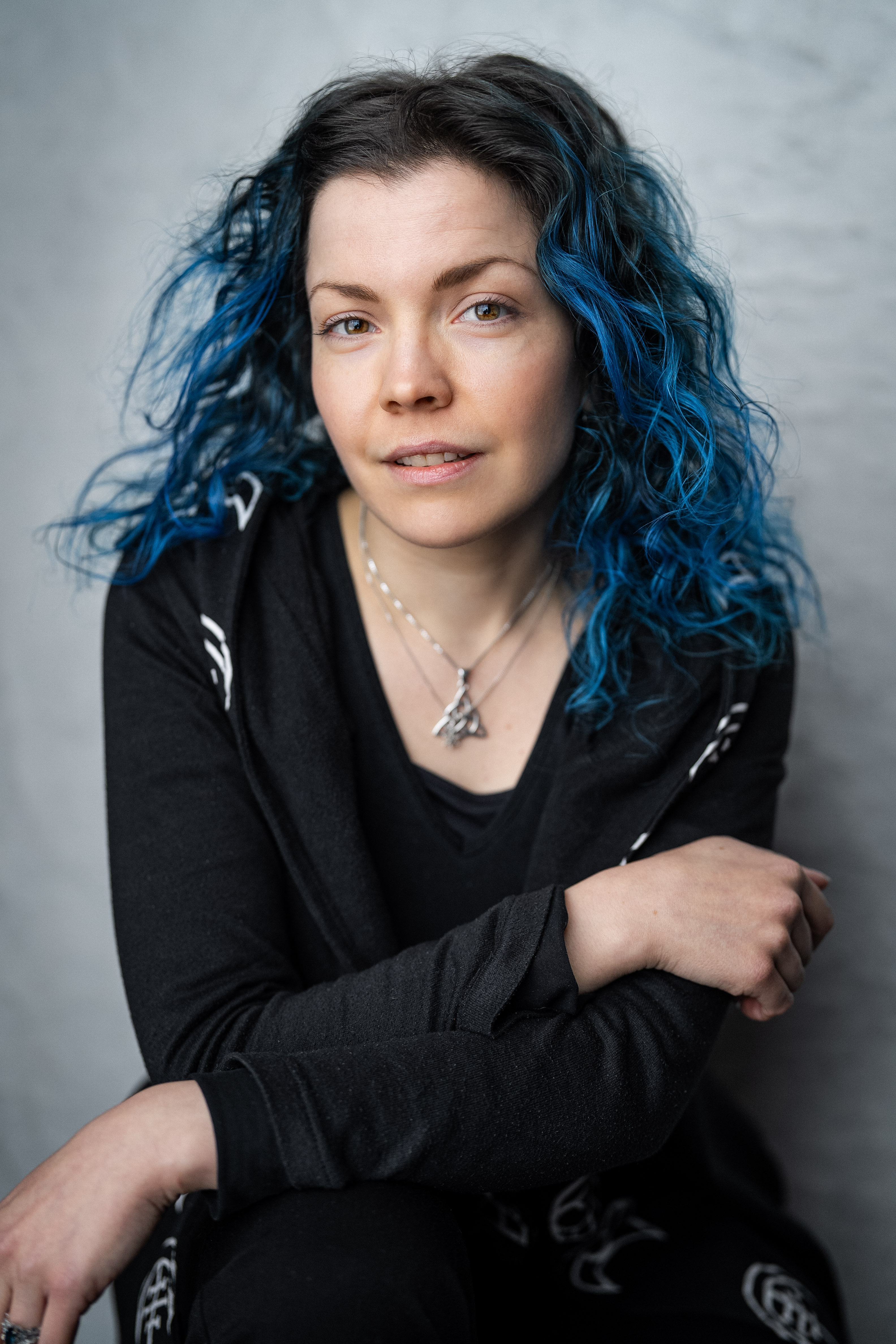

Director | Rhyolight Films
Based in Berkeley, California, USA
In this She Spotlight, Johanna sits down with Sahra Bhimji - a director and film professor whose work explores the space between reality and the surreal. With a background shaped by independent cinema and a deep curiosity for both storytelling and technology, she is currently stepping into her debut feature Animal Heart, blending themes of motherhood, body autonomy, and transformation through a genre-driven lens. (IG: @animalheartfilm)
You’ve described your journey into the industry as one shaped by early exposure to international cinema and a fascination with storytelling. Looking back, what first drew you into this world, and what kind of change are you hoping to make through your work now?
I grew up without a television, but my parents would take me to see foreign films at local festivals, and I became obsessed with films of all types - from fantasy to mumblecore.
I was always writing little stories and trying to direct plays with my cousins and friends. I finally made my first small 16mm film in college and was completely hooked.
My stories are “reality adjacent.” I’m drawn to things that feel very real but impossibly strange - like transforming your body into another creature, accessing dream worlds, or having magical powers.
Through my work, I want to challenge different systems - capitalism, patriarchy, and even our understanding of birth and death.
Alongside making short films, I’ve also worked as a film professor, and I love combining teaching with my own learning. I’m particularly interested in exploring new techniques in visual effects and virtual production, and right now I’m especially drawn to the intersection between our digital and physical lives.
You’re currently developing your debut feature Animal Heart, while also exploring new technologies in storytelling. What are you building or stepping into right now, and why does it matter at this stage of your career?
I’m currently making my debut feature film, Animal Heart.
As a mother, I was honestly shocked by pregnancy and childbirth - and deeply troubled by the experiences women go through in order to become mothers. There’s often a kind of unspoken code of silence around it, as if we’re not supposed to talk about it.
I love being a mother more than anything, but I believe women’s pain and suffering is often ignored or minimised as the price of motherhood.
The film is a horror story about a woman who wants to become a mother and sacrifices her body and mind in the process. It’s terrifying and exciting.
We’re shooting in June with Diane Guerrero in the lead role, which feels like a really significant step forward.
From the outside, your journey can appear very intentional within the film world. What’s something people wouldn’t necessarily see about your path?
At one point, I thought I was going to be a marine biologist.
I’ve done fieldwork collecting butterflies, dissecting mussels, and working with invasive plant species - all while taking theatre classes and making films on a camcorder.
I almost started a master’s degree in environmental management, but dropped out at the last minute because I realised I wanted to be a storyteller more than anything.
As you come into Cannes this year, what does the festival represent to you right now, and what are you hoping to make happen while you’re there?
One of my first jobs in the industry was as a production assistant on Me and You and Everyone We Know, which went on to win the Camera d’Or at the Cannes Film Festival.
At the time, I was young, inexperienced, and broke, so there was no way I could attend. But it was incredibly inspiring to see that film launch into the world and become part of the indie film canon.
Now I’m coming to Cannes for the first time myself - not with a finished film yet, but with an invitation to join other genre filmmakers at the Fantastic Pavilion.
I’m hoping to connect with other filmmakers on their journey, especially first-time female directors, as well as meet sales agents, festivals and distributors who can help bring my film into the world.
You’ve spoken about the importance of collaboration and shared knowledge. What does “building collective power” mean to you in practice, and who are you hoping to connect with next?
Collective power is incredibly important for artists. It’s how we create momentum - not through large marketing budgets, but through supporting each other, sharing information and resources, and amplifying each other’s voices.
For me, it means not gatekeeping knowledge or contacts, but instead opening up networks and sharing advice generously.
In practice, I’m looking to connect with people who are open to discussing distribution - understanding the pitfalls, exploring whether self-distribution can work, and learning what I need to know as I prepare to bring my film to audiences.
I’m also interested in building connections with other female horror filmmakers who want to make the space more inclusive and accessible to a wider range of voices.
Sahra Bhimji will be joining the She Squad at Cannes 2026.
ABOUT THE INTERVIEWER

Johanna K. Lumi is a Finnish-born, London-based actress and interviewer working across the UK, Nordic and wider European film industries. With an active career in acting and experience across directing, casting and production, she has also conducted red carpet interviews at the Finnish Oscars, bringing an industry-insider perspective to her work.
At the Marché du Film 2026, she is conducting interviews for Yes She Cannes, spotlighting female creatives and building relationships across the global film community. Alongside her acting work, she is developing a cross-Scandinavian production and expanding her presence across European markets. (IG: @johannak.lumi )
Post created by Isabella Bonfante (IG: @isabellabonfante )
Yes She Cannes is a global platform dedicated to elevating women in film through visibility, connection and access - creating meaningful opportunities at Cannes and beyond. Follow along: @yesshecannes


Comments